Home insurers received a record 13,000 new domestic subsidence claims between July and September this year, following the summer heatwaves, according to the Association of British Insurers (ABI). That compares with 8,000 in the same period last year. The average payout for subsidence damage to a home now stands at £20,000, a record for the second quarter running.
Kent is one of the most exposed parts of the country. The British Geological Survey (BGS) names Kent, alongside London and Essex, among the areas most susceptible to clay shrink-swell. That is where clay soils dry out and shrink in hot weather, and the ground under a house moves with them.
Yet most buyers never commission an independent survey. Countrywide Surveying Services' Home Survey Trends Index found that around 15% of homebuyers in England, Wales and Northern Ireland instructed one. The other 85% rely on the lender's valuation, or on nothing at all.
A mortgage valuation is not a survey
Steven Way MRICS, who founded Kent and London chartered surveyors Collier Stevens in 1995, says the biggest misunderstanding he comes across is buyers assuming someone has already checked the house for them.
"A valuation is carried out for the lender. It tells the bank whether the property is worth the money it is lending. It is not an inspection of the condition of the building, and nobody is looking at the crack above your back door on your behalf," he said.
A RICS Home Survey Level 2 (previously known as the homebuyer report) or a Level 3 (a full building survey) is carried out for the buyer by a surveyor regulated by the Royal Institution of Chartered Surveyors (RICS). It reports on the condition of the property and flags anything that needs further investigation before you exchange contracts. Countrywide's figures put the average fee for a Level 3 survey at £910.
"If a survey picks up signs of movement before you buy, you still have choices. You can ask for a structural engineer to look at it, renegotiate the price, or walk away. Find it after completion and the problem is yours to deal with," Steven said.
What Kent surveys are turning up
Subsidence is only part of the picture. Steven says the problems his team finds most often in Kent homes are ageing or failed roof coverings, damp and condensation, and damaged windows, although it always varies from house to house.
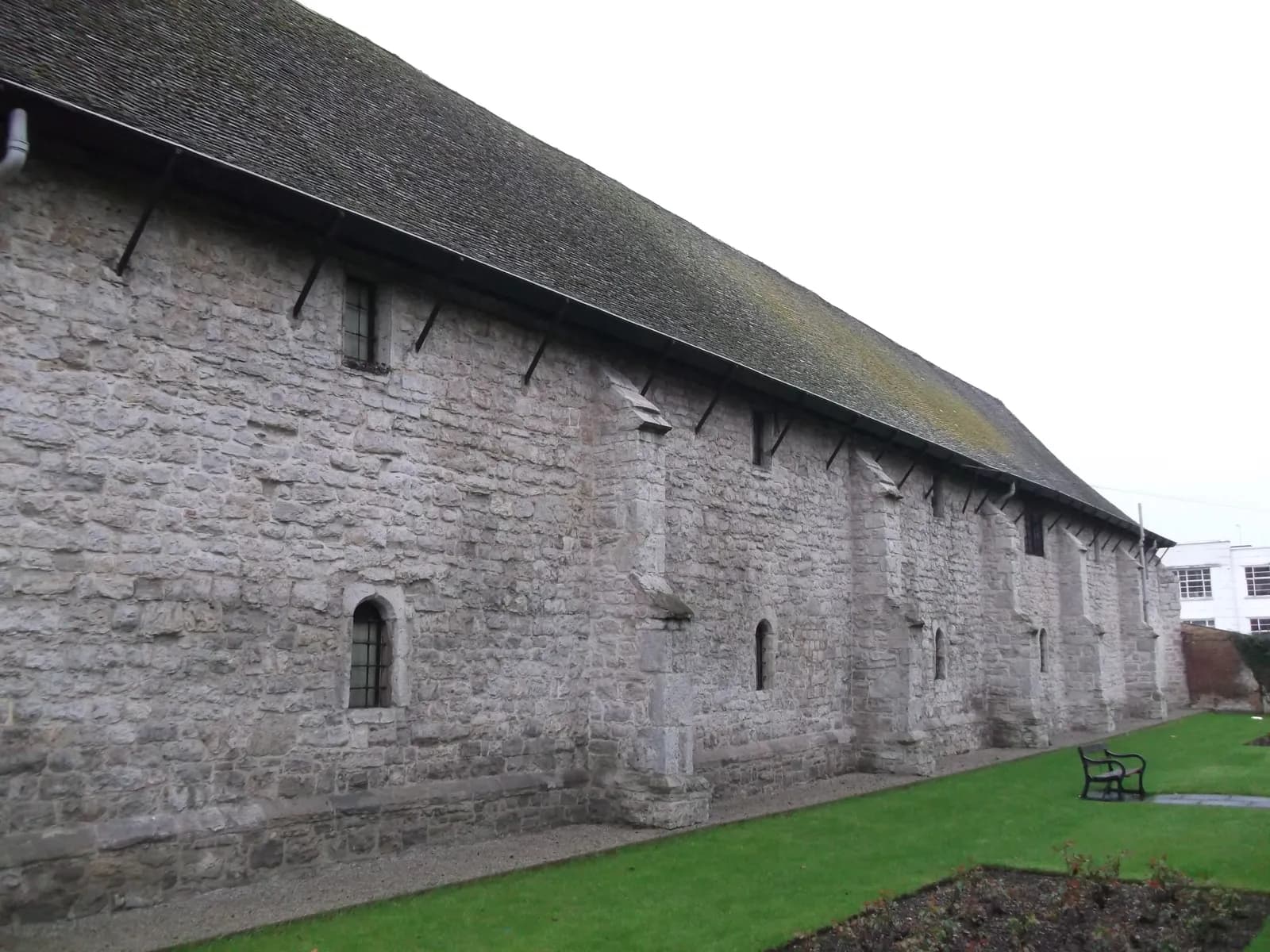
A recent survey of a Grade II listed cottage in Hythe, built around 1800, shows how these problems can stack up. It flagged 16 items at condition rating 3, the RICS category for defects that are serious or need repairing, replacing or investigating urgently. A further 18 items were at condition rating 2.
All three of the common problems were there. The felt on the flat roof over the utility room was old, bubbling and lifting, and needed replacing, while Kent peg tiles on the pitched roofs had slipped or deteriorated. The first floor chimney breasts were substantially damp, and dry lining on two walls was probably concealing widespread penetrating damp. The timber single-glazed windows were decaying, and because the house is listed, comprehensive repair or replacement would need Listed Building Consent. The survey also found a lead water supply pipe, smoke alarms at least 15 years old, and no gas safety record could be found.
Signs of movement to look for at a viewing
Steven suggests buyers keep an eye out for:
Cracks running diagonally from the corners of windows and doors, particularly if they are wider at one end
Doors and windows that stick or no longer close properly
Fresh filler or new paint over cracks on an otherwise tired wall
Large trees close to the house, especially where the ground is clay
Gaps opening up where an extension or bay window meets the main house
"None of these on its own means a house is subsiding. Plenty of cracks are cosmetic. The point of a survey is to tell the difference, and to say plainly when something needs a closer look," Steven said.
Steven's advice for Kent buyers
Book the survey as soon as your offer is accepted. You want the findings back while there is still time to renegotiate.
Choose the right level. A Level 2 suits conventional homes in reasonable condition. Older, larger, altered or run-down properties are better served by a Level 3.
Use a RICS-regulated surveyor. You can check a firm on the RICS website before you instruct them.
Ask the seller about past movement. Your conveyancer can raise questions about previous subsidence, insurance claims or structural repairs.
Read the report properly. If anything is unclear, ask the surveyor to talk you through what is urgent and what can wait.
£20,000 is an average, and some claims are far bigger. A survey costs a fraction of that, and it is the only point in the process where someone is looking at the house purely on your behalf.